Togo Travel Visa Information for Panamanian Visitor
Togo is a welcoming West African destination known for its beaches, cultural heritage, and vibrant local life, making it an attractive spot for Panamanian tourists. Before planning a trip, travelers should understand the entry requirements and visa procedures. The keyword Togo Visa Process for Panamanian Citizens is essential for checking the correct steps needed to obtain travel authorization for tourism purposes.

For a smooth travel experience, Togo Visa Process for Panamanian Citizens also helps visitors prepare important documents such as a valid passport, proof of accommodation, return ticket, and financial proof for their stay. Once the visa process is completed, tourists can enjoy exploring Lomé’s coastal beauty, traditional markets, and cultural attractions. Proper preparation ensures a hassle-free journey and a memorable travel experience in Togo.
What are the Togo visa requirements for Panamanian citizens?
Traveling to Togo requires specific documentation to ensure a seamless entry process at the port of entry (such as Gnassingbé Eyadéma International Airport in Lomé). As a Panamanian passport holder, you will need to meet standard international travel criteria alongside Togolese immigration rules. To successfully apply for your visa or eVisa, ensure you have the following ready:
- Valid Passport: Your passport must be valid for at least six months beyond your intended date of departure from Togo. It also needs to have a few blank pages for visa stickers and immigration stamps.
- Passport Photograph: A recent, clear, color photograph with a white background, adhering to standard passport photo dimensions.
- Flight Itinerary: A confirmed round-trip flight booking showing your entry and exit dates from Togo.
- Accommodation Proof: Confirmed hotel reservations, a rental agreement, or a formal letter of invitation if you are staying with friends, family, or a host.
What types of Togo visas are available for travelers?
Togo offers a highly flexible visa system depending on the purpose and duration of your visit. Most travelers opt for an eVisa, which can be applied for online prior to departure. Below is a breakdown of the available visa categories, number of entries, and maximum allowed stays: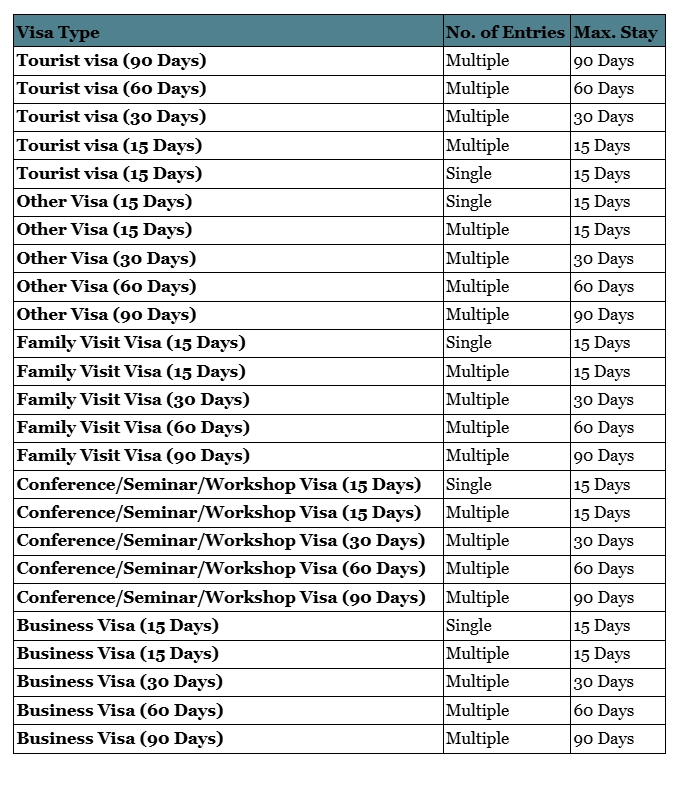
How long does it take to process a Togo visa?
When planning your trip from Panama, timing is everything. You want to ensure your documents are approved before your flight departs. Processing times generally depend on the urgency level you select during your application process.
- Standard Processing – Takes around 6–9 working days and is suitable for travelers who apply in advance
- Rush Processing – Takes about 4–7 working days for quicker approval
- Super Rush Processing – Takes approximately 3–5 working days for urgent travel plans
How to apply for a Togo eVisa from Panama?
Panamanian citizens can apply for a Togo eVisa online through a simple digital process that allows them to submit documents, pay fees, and receive approval electronically before travel.

- Fill Form: The Togo eVisa is applied for through an official online platform, no physical embassy visit required.
- Passport requirement: Your Panamanian passport must be valid for at least 6 months beyond your planned entry date.
- Basic documents needed: Passport scan, recent photo, travel details, and accommodation proof (hotel or invitation).
- Processing time: Usually takes around 5–7 business days depending on application type.
- Application steps: Fill form → upload documents → choose visa type → pay fee → receive eVisa by email.
- Final approval: You will receive an electronic visa document that must be printed and carried during travel.
What are the currency conversion charges when traveling to Togo?
Togo uses the West African CFA franc (XOF) as its currency. Because Panama uses the Balboa (interchangeably tied to the US Dollar), you will need to convert your money or manage international transaction fees while traveling.Currency conversion involves a few practical considerations:
- Card Fees: If you use your Panamanian credit or debit cards to withdraw cash at ATMs or pay for hotels in Togo, your bank will likely charge an international transaction fee (usually around 2.5% to 5%), plus a currency conversion margin. Check with your specific bank before leaving.
- Cash Exchange: Euros are widely accepted and easily exchanged for CFA francs at local exchange bureaus in Lomé. US Dollars are also accepted but sometimes get a slightly lower exchange rate or are subject to closer inspection (ensure bills are clean and recent).
- ATMs: ATMs are available in major cities, but they may occasionally run out of cash or experience connectivity issues. It is wise to carry a backup cash reserve in Euros or US Dollars.
Who is eligible to apply for a Togo eVisa?
The Togo eVisa is available to most foreign nationals, but eligibility varies depending on the applicant’s nationality and travel purpose, along with standard document requirements such as a valid passport and travel proof.
- Nationality Eligibility: Most countries are eligible for the Togo eVisa, though some nationalities may require additional approval or embassy processing.
- Togo visa requirements for Papua New Guinea passport holders
- Togo visa information for Paraguayan citizens
- Togo travel visa guide for Peruvian citizens
- Togo entry rules for Portuguese nationals
- Valid Passport: Applicants must hold a passport with at least 6 months validity.
- Purpose of Travel: Must be for tourism, business, or short-term visits.
- Proof of Accommodation: Hotel booking or invitation letter is required.
- Travel Itinerary: Confirmed flight details must be provided.
How can I carry special baggage on a Togo flight?
Traveling to West Africa often involves long flights with connections, meaning you might have specific packing needs—such as surfboards, musical instruments, professional photography gear, or extra manage special baggage smoothly, keep these tips in mind:
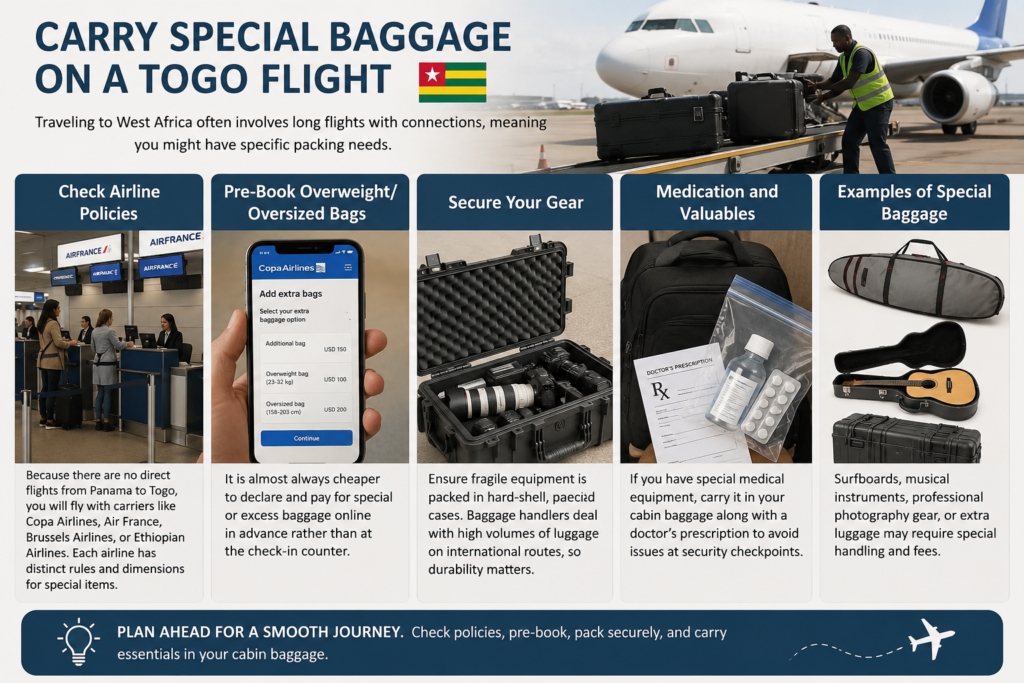
- Check Airline Policies: Because there are no direct flights from Panama to Togo, you will fly with carriers like Copa Airlines, Air France, Brussels Airlines, or Ethiopian Airlines. Each airline has distinct rules and dimensions for special items.
- Pre-Book Overweight/Oversized Bags: It is almost always cheaper to declare and pay for special or excess baggage online in advance rather than at the check-in counter.
- Secure Your Gear: Ensure fragile equipment is packed in hard-shell, padded cases. Baggage handlers deal with high volumes of luggage on international routes, so durability matters.
- Medication and Valuables: If you have special medical equipment, carry it in your cabin baggage along with a doctor’s prescription to avoid issues at security checkpoints.
What happens if I overstay my Togo visa by just 2 hours?
Immigration laws are strict worldwide, and Togo is no exception. While an overstay of just a couple of hours might feel minor, border control officers treat it as a violation of your visa conditions.If you overstay your visa, you can expect the following complications:
- Financial Penalties: You will be required to pay a fine for each day (or fraction thereof) that you remain in the country past your authorized stay period.
- Departure Delays: Explaining an overstay takes time. You may be taken to a secondary inspection or supervisor's office to process the paperwork and fines, which could cause you to miss your flight.
- Future Travel Risks: Serious or repeated overstays can result in notes on your immigration file, making it more difficult to obtain visas for Togo or other West African nations in the future. Always make sure your flight departs before your visa expires.
What do entry and exit stamps mean in Togo immigration?
When you pass through border control, the immigration officer will place physical stamps in your passport. These stamps are more than just souvenirs; they are your legal proof of entry and departure.Understanding these stamps helps ensure a hassle-free journey:
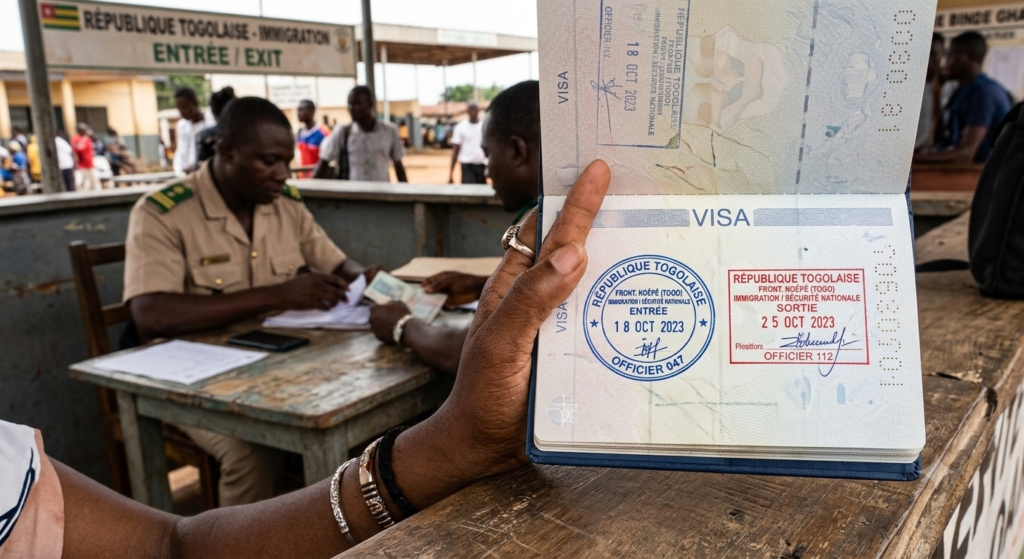
- Entry Stamp: Given upon arrival, this stamp officially documents the date you entered Togo and activates your permitted stay duration. Make sure the officer stamps your passport clearly and accurately.
- Exit Stamp: Given at the airport or land border when you leave the country. This stamp closes out your current visit and proves you did not overstay your visa.
- Why they matter: If you ever need to apply for a visa extension, replace a lost passport, or prove your travel history for future visa applications to other countries, these stamps act as concrete, unalterable evidence of your movements.
How can I apply for an emergency Togo eVisa?
Applying for an emergency Togo eVisa is essential when sudden travel plans require fast approval and immediate preparation. In emergency situations, you should focus on the following key steps:
- Choose the fastest processing option: Select the “Super Rush” or highest-priority processing tier during your eVisa application to reduce waiting time as much as possible.
- Prepare error-free documents: Submit clear, complete, and valid travel documents to avoid delays or rejection that could slow down urgent processing.
- Consider visa on arrival (only in special cases): Some travelers may be eligible for a visa on arrival in exceptional situations, but this should not be relied upon without prior confirmation from authorities or your airline.
- Keep emergency contacts ready: Having contact details for your host, airline, or relevant embassy can help verify your travel purpose quickly if needed.
Can I convert a Togo tourist visa into a work visa?
No, a Togo tourist visa cannot usually be converted into a work visa while staying in Togo; you must typically apply separately for a work visa or permit through the proper immigration process, which requires a job offer, employer sponsorship, and approval from authorities, as tourist visas are only meant for short visits and do not allow a change of employment status.
What are the top things to do in Togo for tourists?
Once your paperwork is sorted and you land in Lomé, an incredible adventure awaits. Togo is narrow but geographically diverse, stretching from the Atlantic coast all the way up to the savannah regions in the north. Here are some highlights to add to your itinerary:

- Explore the Marche aux Fétiches (Fetish Market): Located in Akodésséwa, this market is famous for its traditional medicine and voodoo artifacts. It is an eye-opening cultural experience guided by local experts.
- Relax on Lomé’s Beaches: Spend an afternoon enjoying the Atlantic breeze. The coastline offers vibrant stretches where you can watch local fishermen pull in their nets.
- Discover Togoville: Take a boat ride across Lake Togo to visit this historic town, known for its colonial history, local artisans, and the site where the 1884 treaty between Germany and local chiefs was signed.
- Trek the Koutammakou Landscape: Located in the north, this UNESCO World Heritage site is home to the Batammariba people. Their unique mud-tower houses (Takienta) are architectural marvels and an incredible cultural excursion.
- Visit Fazao Malfakassa National Park: For nature lovers, this park offers excellent hiking, wildlife spotting, and beautiful forested landscapes.
Conclusion:
Preparing for a journey from Panama to Togo requires attention to detail, but the rewards are well worth the effort. By ensuring your passport has adequate validity, selecting the right visa type for your trip, and respecting local immigration and financial guidelines, you set yourself up for a memorable and stress-free West African experience. Plan your paperwork ahead of time, double-check your arrival and departure stamps, and get ready to immerse yourself in the rich culture, history, and natural beauty that Togo has to offer.
Comments